Azerbaijan Travel Guide & Insights

Deep dives into the history, culture, and hidden gems of the Land of Fire. Expertly curated for the modern traveler.

Baku City Sightseeing Tour
Baku Tourism

Top Cultural Landmarks and Modern Marvels in Baku

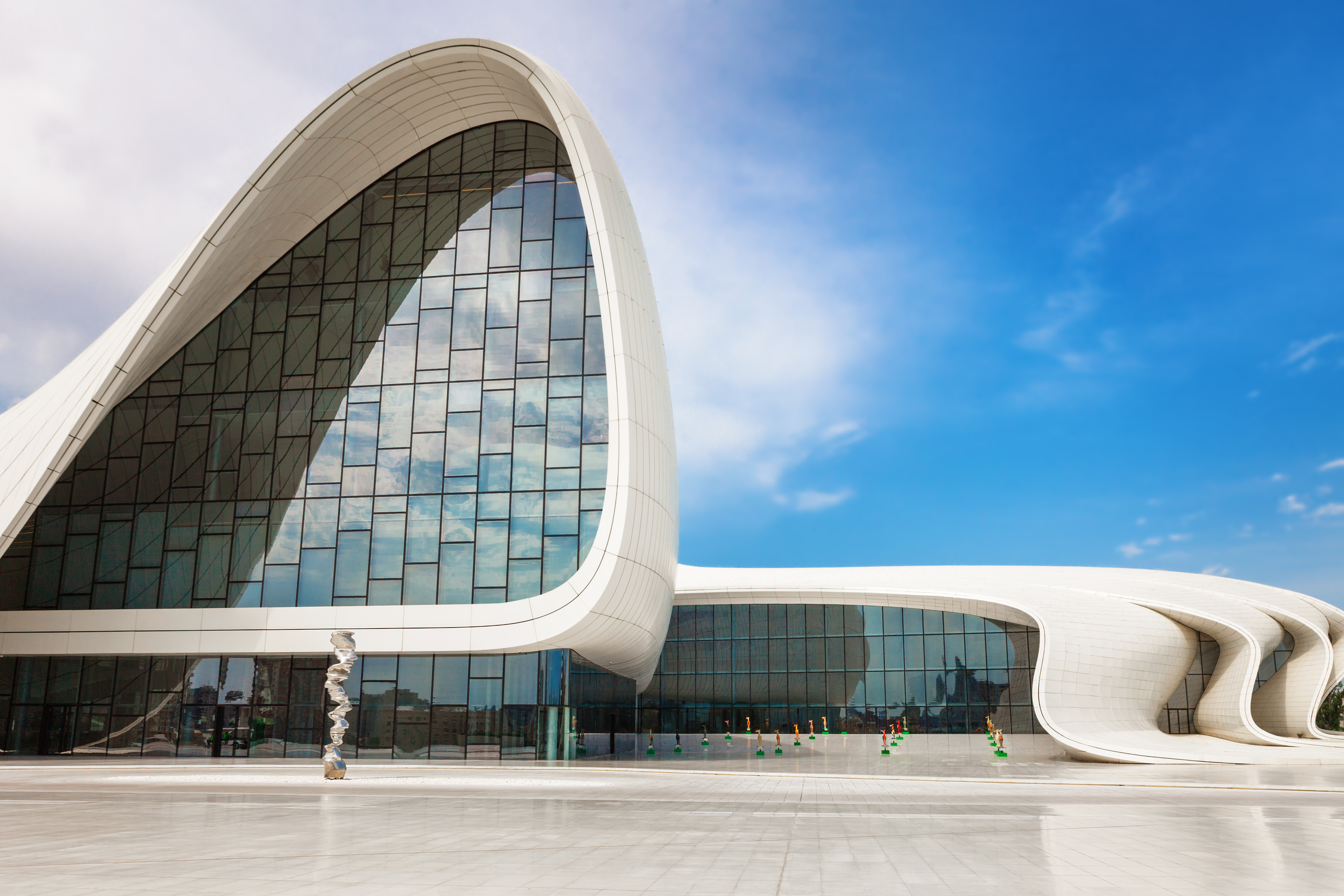
Wander through the narrow cobbled streets of Icherisheher (Old City) and you’ll step back centuries into the heart of medieval Azerbaijan. Within its ancient walls stands the iconic Maiden Tower, one of Baku’s most mysterious architectural symbols, offering panoramic views over the Caspian Sea. Nearby, the magnificent Palace of the Shirvanshahs reflects the grandeur of the Shirvan rulers and remains one of the finest examples of medieval Islamic architecture in the region. Just outside the Old City walls lies the elegant Fountains Square, a lively hub filled with cafes, shops, and street performances. From here, a short walk takes you to the scenic Baku Boulevard, stretching along the Caspian coastline. This seaside promenade is perfect for a relaxing stroll, especially at sunset when the city skyline begins to glow. Baku’s modern identity shines through its bold architectural statements. The world-renowned Heydar Aliyev Center, designed by Zaha Hadid, is a masterpiece of contemporary design with its flowing curves and futuristic form. It symbolizes the dynamic and forward-looking spirit of modern Azerbaijan. Nearby, the striking Flame Towers dominate the skyline, illuminated at night with captivating LED displays that represent the country’s nickname, the “Land of Fire.” For those interested in cultural exploration, the Azerbaijan National Carpet Museum showcases the rich heritage of Azerbaijani carpet weaving, housed in a uniquely designed building shaped like a rolled carpet. Meanwhile, art lovers can explore exhibitions at the Museum of Modern Art, where local and international works highlight the creative pulse of the city. No visit to Baku is complete without experiencing its natural wonders. A short drive from the city leads to the Ateshgah Fire Temple and the ever-burning flames of Yanar Dag, both reflecting Azerbaijan’s ancient connection to fire worship and natural gas phenomena. From its fortified medieval walls to its shimmering skyscrapers, Baku is a destination where tradition and innovation coexist harmoniously. Whether you’re drawn by history, architecture, culture, or simply the charm of the Caspian coast, Baku promises an unforgettable journey.
Traditional Azerbaijani Cuisine Dolma
Gastronomy

Exploring Azerbaijani Cuisine: The Tradition and Taste of Dolma

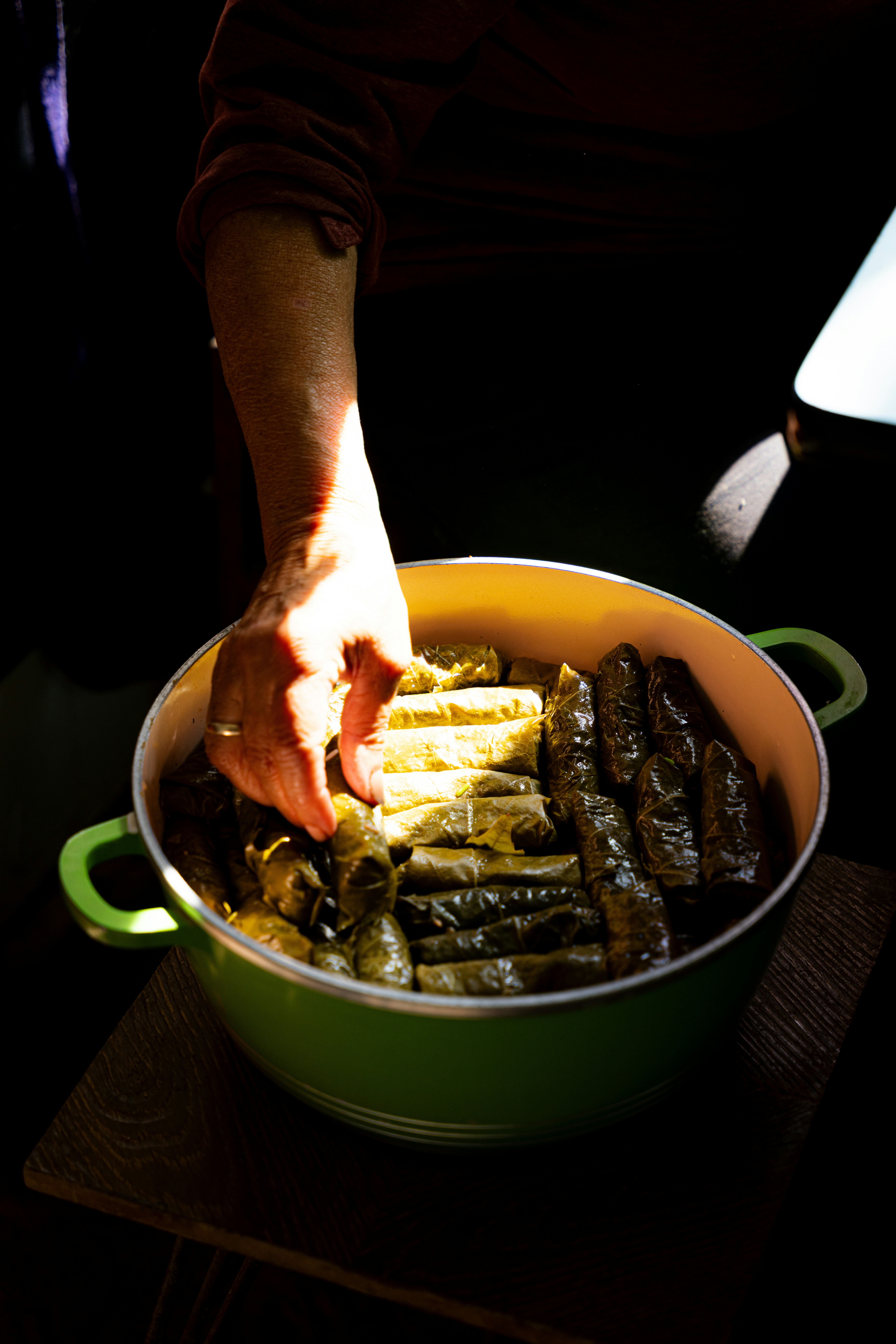
Azerbaijan’s culinary heritage is a feast for the senses, and Dolma stands as its undisputed crown jewel. In 2017, Azerbaijan’s tradition of making and sharing dolma was inscribed on the UNESCO Intangible Cultural Heritage list. This recognition highlights not only the dish itself, but also the deep cultural meaning behind its preparation, presentation, and communal enjoyment. At its heart, Dolma is a dish built on care and craftsmanship. The name comes from the Turkic word “dolmak,” meaning “to fill,” and the concept is simple yet endlessly versatile: vegetables or leaves are carefully stuffed with a flavorful mixture, most commonly minced meat, rice, herbs, and spices. However, each region of Azerbaijan adds its own touch, creating a rich diversity of flavors and techniques. One of the most beloved varieties is Yarpaq Dolması, made by wrapping tender grape leaves around a delicate filling of lamb or beef mixed with rice, fresh herbs such as dill and mint, and subtle spices. These small, neatly rolled parcels are gently simmered and traditionally served with a side of thick yogurt or garlic sauce, balancing richness with freshness. Another popular version is Üç Bacı Dolması (“Three Sisters Dolma”), where tomatoes, eggplants, and bell peppers are stuffed and baked together. This colorful trio reflects both the abundance of local produce and the Azerbaijani appreciation for harmony in presentation and taste. In rural areas, you may also encounter cabbage dolma or even stuffed quince, showcasing the creativity embedded in the cuisine. Beyond its ingredients, Dolma carries strong social significance. It is a centerpiece at family gatherings, weddings, and festive celebrations such as Novruz. Preparing dolma is often a collective activity — family members sit together, wrapping leaves and sharing stories. In this way, the dish becomes more than food; it becomes a symbol of unity, hospitality, and continuity between generations. The taste of Azerbaijani dolma is defined by balance. It is aromatic but not overpowering, rich yet refined. Fresh herbs play a key role, giving the filling brightness and depth. The slow cooking process allows the flavors to meld together, creating a comforting and deeply satisfying experience with every bite. For travelers exploring Azerbaijan, tasting Dolma is essential to understanding the country’s identity. It reflects the agricultural richness of the land, the influence of Silk Road traditions, and the warmth of Azerbaijani hospitality. More than just a national dish, dolma is a living tradition — one that continues to bring people together around the table, preserving both flavor and heritage.

Gabala Nature and Tufandag Resort
Nature & Adventure

Gabala: A Natural Paradise in the Greater Caucasus

Nestled in the heart of the Greater Caucasus, Gabala (Qabala) is often affectionately called the "Switzerland of Azerbaijan." This picturesque region has long captivated travelers with its unique combination of natural beauty, rich history, and vibrant culture. Surrounded by towering mountains, dense forests, and crystal-clear rivers, Gabala offers a refreshing escape from the noise of urban life, making it a haven for those seeking peace, adventure, and inspiration. The region is a paradise for outdoor enthusiasts. Hiking trails wind through lush landscapes, leading to hidden waterfalls, tranquil lakes, and panoramic viewpoints that overlook the breathtaking valleys below. In winter, Gabala transforms into a snowy wonderland, perfect for skiing, snowboarding, and other mountain sports. For those who prefer a slower pace, the serene countryside and charming villages offer a chance to experience local traditions, taste authentic Azerbaijani cuisine, and enjoy the warm hospitality of the region’s residents. Gabala also boasts a fascinating historical and cultural heritage. Ancient ruins, medieval fortresses, and archaeological sites tell the story of civilizations that have inhabited this land for centuries. Combined with modern attractions such as the Gabala Shooting Club, Tufandag Mountain Resort, and various cultural festivals, the region balances history and contemporary leisure in a way few places can. Whether you’re seeking adventure, relaxation, or a deeper connection with nature, Gabala promises an unforgettable experience. The crisp mountain air, breathtaking scenery, and peaceful surroundings make every visit a chance to recharge, explore, and create lasting memories. In every sense, Gabala is not just a destination—it’s a journey into the heart of Azerbaijan’s natural paradise.

Gobustan Rock Art and Mud Volcanoes Tour
Archeology

Gobustan: A Journey Through Prehistoric Rock Art

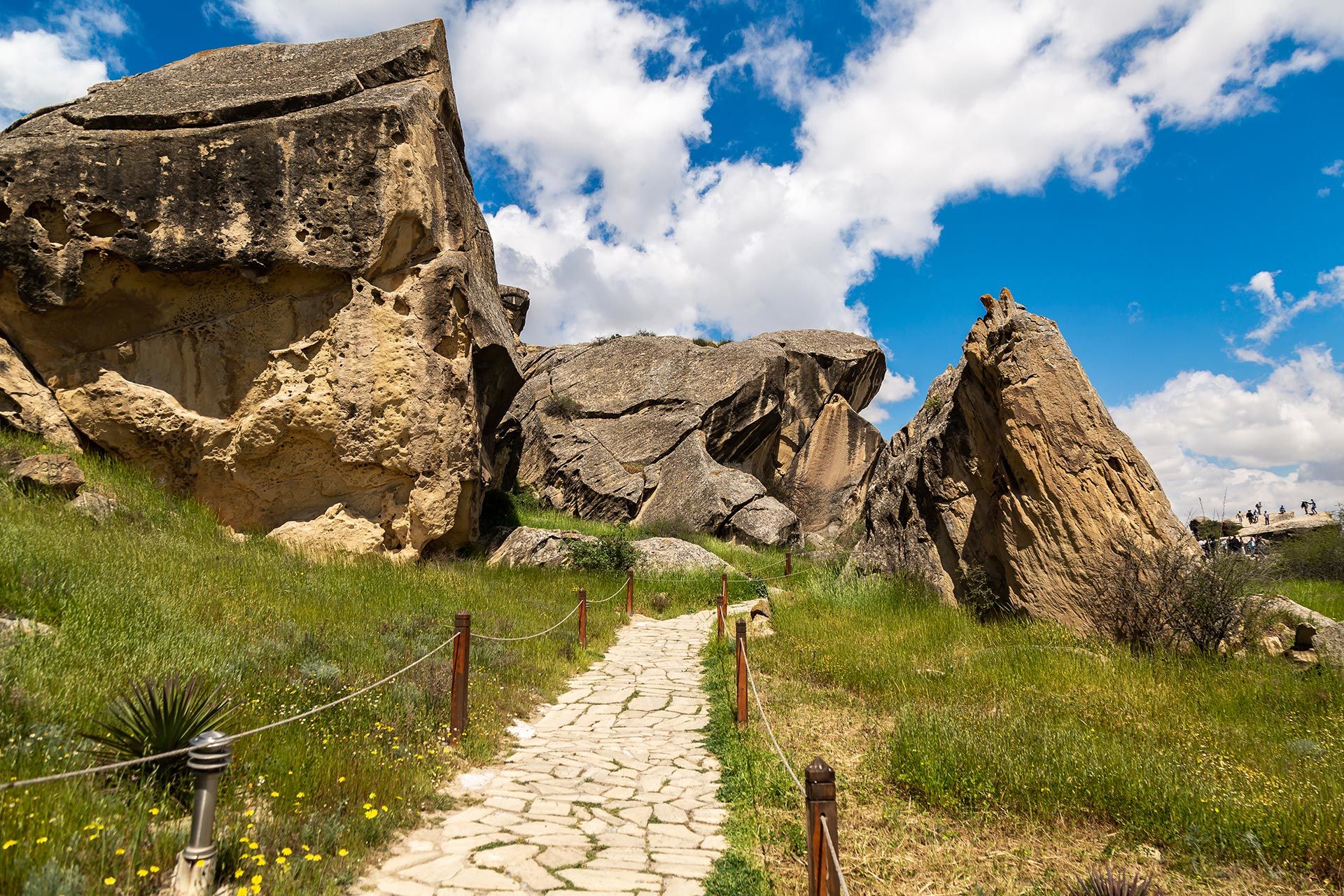
Gobustan State Historical-Artistic Reserveis one of Azerbaijan’s most remarkable cultural treasures, offering visitors a fascinating glimpse into prehistoric life. Known worldwide, this archaeological site functions as an expansive open-air museum, where history is etched directly into the rocks. With over 6,000 petroglyphs scattered across its rugged terrain, Gobustan tells the story of human civilization dating back tens of thousands of years. As you explore the reserve, you’ll encounter intricate carvings depicting ancient hunters, animals, rituals, and daily life, providing a vivid window into the lives of our ancestors. The landscape itself, with its dramatic cliffs, mud volcanoes, and unique rock formations, adds to the sense of stepping back in time. Every stone seems to whisper stories of early humans who once roamed these lands. Beyond its archaeological significance, Gobustan is also a natural wonder. The combination of historical artifacts and striking geological features creates an atmosphere that is both educational and awe-inspiring. Visitors can take guided tours to better understand the symbolism behind the petroglyphs, or simply wander along the trails to immerse themselves in the serene, timeless beauty of the reserve. A trip to Gobustan is more than a sightseeing excursion—it’s a journey into the very roots of human history, where art, nature, and ancient culture come together to create an unforgettable experience. Whether you’re a history enthusiast, a nature lover, or simply curious, Gobustan promises to leave a lasting impression on every traveler.

Sheki Khans Palace UNESCO Site
Historic Cities

Sheki: The Architectural Jewel of the Silk Road

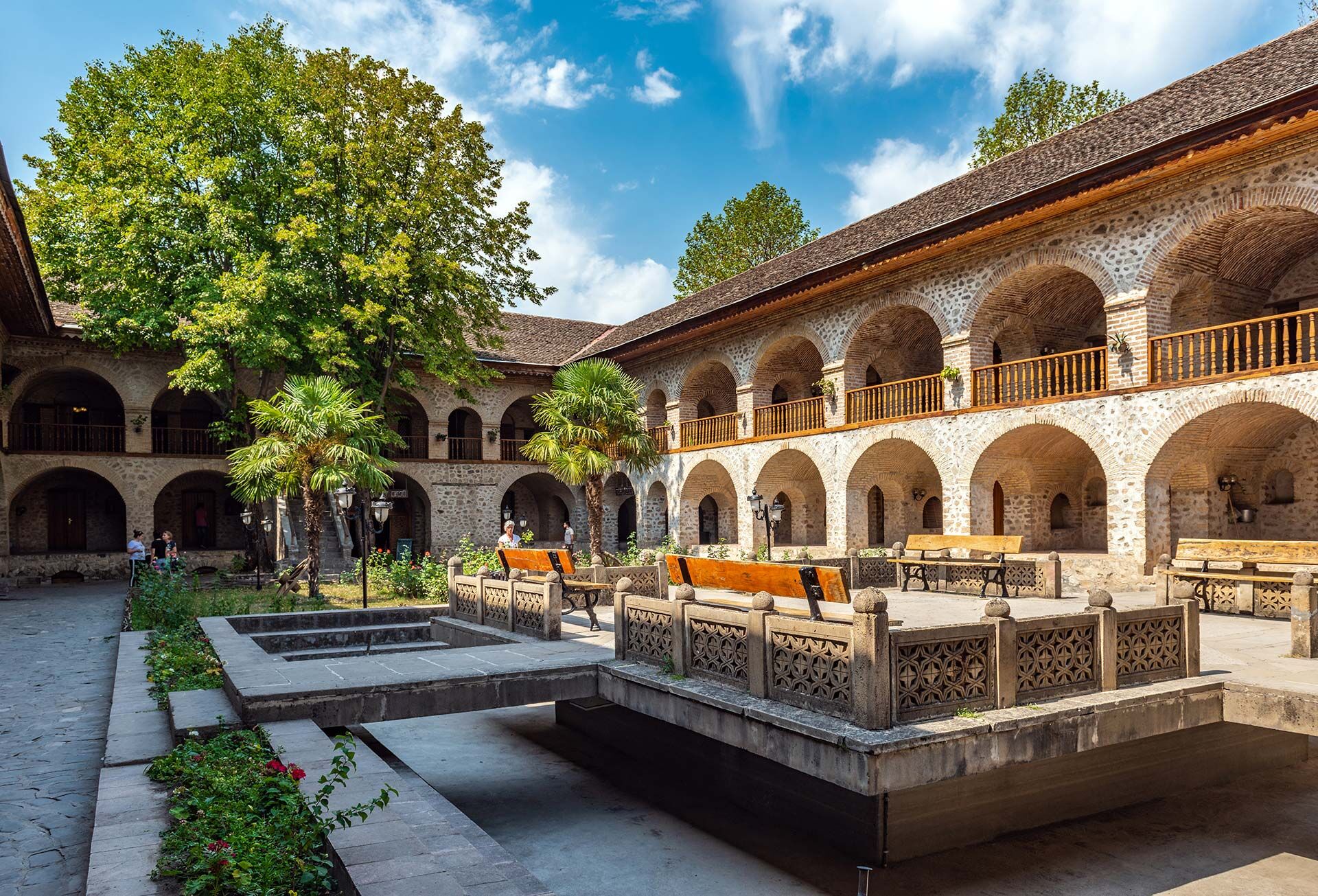
The historic city of Sheki stands as a living testament to the rich legacy of the Great Silk Road. Recently inscribed on the UNESCO World Heritage list, Sheki is celebrated for its distinctive architecture, vibrant culture, and timeless charm. Wandering through its streets, visitors are greeted by beautifully preserved caravanserais, ancient mosques, and traditional houses adorned with intricate wooden carvings and colorful stained-glass windows. The city’s crown jewel, the Sheki Khan’s Palace, showcases exquisite frescoes, ornate decorations, and masterful craftsmanship that reflect centuries of artistic tradition. Beyond its architectural splendor, Sheki offers a glimpse into local life and culture, from bustling bazaars filled with handcrafted goods to traditional sweet shops where Sheki halva is made following centuries-old recipes. The surrounding landscapes, with rolling hills and lush greenery, add to the city’s allure, making it a perfect destination for both history enthusiasts and nature lovers. A visit to Sheki is more than sightseeing—it’s an immersive journey through time, where every corner tells a story of commerce, art, and culture that flourished along the legendary Silk Road.